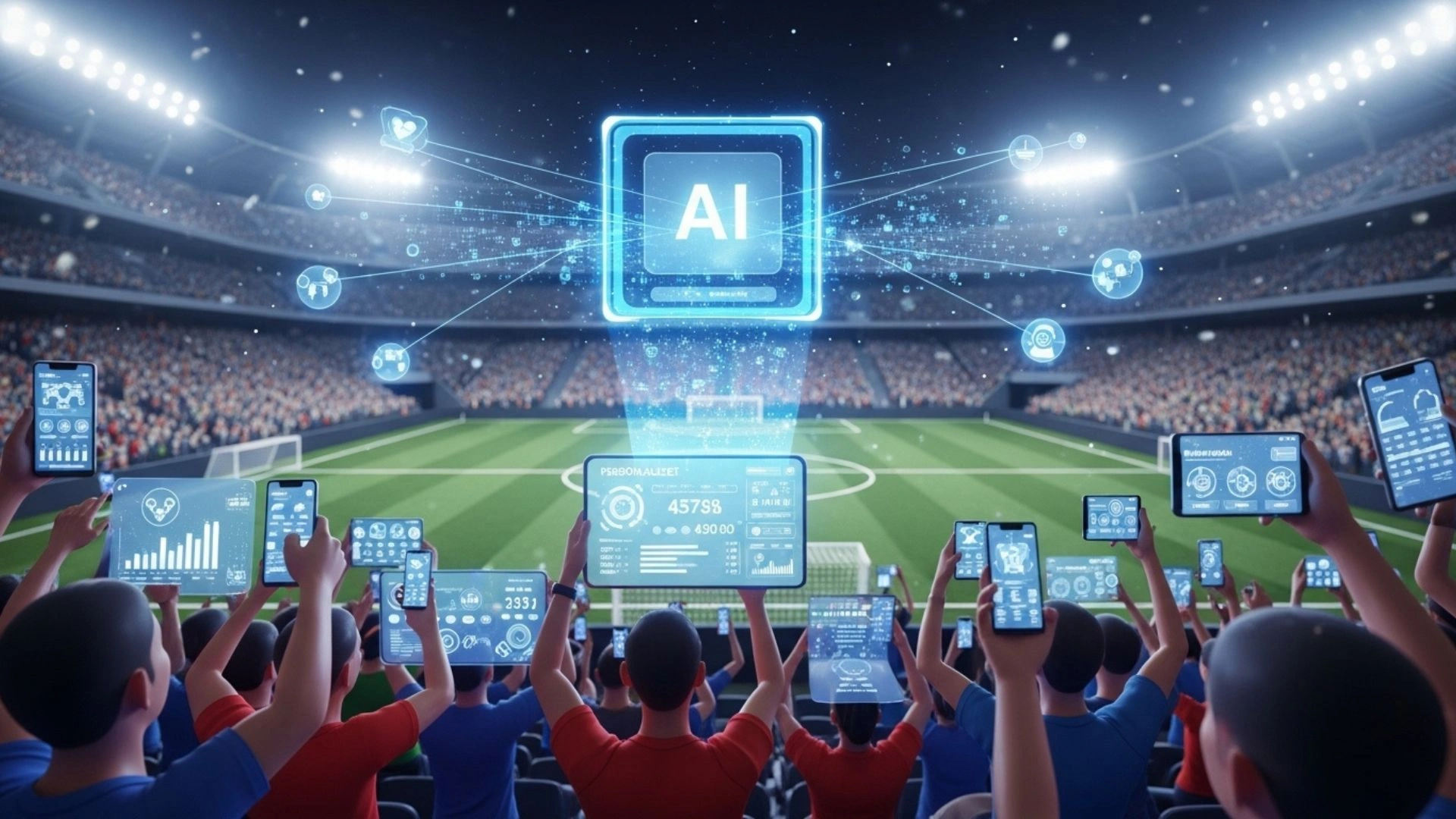
Bang! Mike Breer yells after the chef Curry nails a 40-foot three pointer—and your favorite sports app updates at this moment almost instantly. AI-Powered Sports Apps are morphing how fans connect with the game by mixing advanced data with immersive digital experiences. The use of machine learning, predictive analytics, and personalized content for each fan creates a dynamic journey. The consuming of sports content has changed immensely with apps adapting to each fan’s behavior, preferences and emotional responses, changing what a die-hard fan means.
When it comes to personalized content feeds, the foundations of AI-powered sports apps, this changed how fans receive all types of information from buzzer beaters to key injuries, blow outs and upsets. Meet James a San Francisco resident who has been a diehard fan of the Golden State Warriors even before Steph Curry and Steve Kerrs time. Every time he opens his favorite app the algorithm analyzes his viewing history, engagement time, clicks, and preferred athletes to insert highlight reels and news stories. Instead of James having to scroll through generic league-wide updates, he sees content aligned to his preferences. This technology helps James stay up today with the latest information from the Warriors.
Why Sports Organizations Are Investing in AI-Powered Apps
Sports organizations today face increasing competition for fan attention. Fans consume sports content through multiple platforms including social media, streaming services, and news outlets. To maintain strong engagement, teams and leagues must provide personalized and interactive digital experiences.
AI-powered sports apps help organizations meet this challenge by analyzing fan behavior and delivering customized content directly to users’ mobile devices. These apps can automatically adjust the experience based on user preferences, favorite teams, or past interactions.
For example, if a fan frequently watches highlights of a specific club, the app can prioritize that team’s news, match updates, and statistics. This personalized experience keeps fans engaged and encourages them to return to the app regularly.
As a result, many professional leagues, sports media companies, and clubs are investing heavily in AI-driven mobile platforms to strengthen their connection with fans.
Real-Time Interactions
Real-time technology has changed what fans expect from a sports app. When a game is live, everything feels urgent. A substitution happens. Someone goes down injured. A referee makes a call that nobody understands. In those moments, fans do not want to leave the app or start searching elsewhere.
That is where chatbots and virtual assistants step in. They give you live scores, player updates, injury reports. You can ask a quick question during the match and get a clear answer without missing the action. Sometimes it is a simple stat. Other times it is a detailed breakdown of what just happened.
It feels immediate. Connected. Almost like having a commentator sitting next to you, except this one answers back. Machine learning has also evolved quietly over the last two decades. At first, it was mostly background data processing. Now, it predicts outcomes, analyzes player trends, compares past matchups, and even gives fantasy sports advice based on performance patterns.
For fans, such analysis changes how we experience the game. We do not just react emotionally anymore. We check the numbers and compare scenarios and think about probabilities. And yes, sometimes the app gently reminds you that your fantasy lineup might not survive the weekend. Some truths hurt.
Key Features Every AI-Powered Sports App Should Include
To deliver a meaningful experience, AI-powered sports apps typically include several core features that improve fan engagement and usability.
Real-Time Match Tracking
One essential feature is real-time match tracking, where AI processes live game data and instantly updates scores, statistics, and commentary inside the app.
Personalized News Feeds
Another important feature is personalized news feeds. AI algorithms analyze fan interests and recommend relevant articles, videos, and highlights tailored to each user.
AI Chatbots for Fan Interaction
AI chatbots are also commonly integrated to provide instant answers to common questions about teams, schedules, or player statistics.
Community and Social Features
Many sports apps also include community and social features, allowing fans to join discussions, vote in polls, or share reactions during live matches.
Together, these features create a dynamic environment where fans can interact with sports content in real time.
Augmented Reality and Gamification
Augmented reality makes things even more immersive. Picture this:
Your phone is resting on the coffee table. The match is playing. The crowd noise fills the room. Suddenly, through your screen, Messi appears on the table, running between cups and magazines like your living room is part of the pitch. It sounds futuristic, but this kind of interaction is already happening.

AR features, virtual collectibles, live challenges. These elements are becoming part of modern sports apps. Fans can unlock rewards tied to real moments in the game. They can explore player avatars. They can project statistics into their own physical space.
It makes watching feel active instead of passive.
Gamification plays a big role here. Points. Leaderboards. Seasonal rewards. Small incentives that make you open the app again tomorrow, even if there is no major match that day. Younger audiences especially expect this kind of experience. For them, sports content competes with video games, social platforms, streaming services. Engagement has to feel interactive. Dynamic. A little playful.
Voice and Emotion Analysis
Now we are entering newer territory.
Some sports apps are experimenting with voice and emotion analysis. The idea is simple in theory. The app listens to tone, detects engagement patterns, and tries to understand how a fan feels. Excited. Frustrated. Disappointed.

It is still early. Very early. But it signals something interesting. Digital platforms are not just focusing on statistics anymore. They are trying to respond emotionally. Of course, this raises questions.
Tracking mood or voice data is sensitive. Fans need clarity. They need control. Features like clear opt-in permissions, on-device processing, and transparent dashboards become essential. Without that, trust disappears quickly. If handled responsibly, emotionally aware technology could make sports apps feel more personal. If handled poorly, it becomes invasive. The difference lies in design and transparency.
Active Advocates in Media Platforms
Large Sports Media Platforms
Large sports media companies have already embraced AI in different ways. ESPN. Bleacher Report. The NBA. Many of them rely on infrastructure from companies like Amazon Web Services to power advanced stats and real-time engagement. AI helps personalize notifications. It adjusts content timing. It delivers contextual insights during live coverage. With millions of users worldwide, these platforms function almost like testing grounds where new features evolve quickly. But innovation does not only come from giants.
AI Sports Technology Startups
Startups play a huge role in shaping AI-powered sports engagement. Companies like Greenfly and FanAI focus on helping leagues, teams, and sponsors distribute content more effectively and analyze fan behavior in deeper ways.
Greenfly, for example, automates real-time content distribution to athletes and influencers, expanding organic reach beyond traditional methods. FanAI analyzes spending data and social behavior to help brands understand exactly who their audience is and how to connect with them more precisely.
Smaller companies often move faster. They experiment more. They push boundaries that larger organizations might approach more cautiously.
Cloud Infrastructure and Technology Partners
Behind all of this is something less visible but absolutely essential… Cloud infrastructure!
Companies like Microsoft and AWS provide the backbone that makes these AI features possible. Massive amounts of fan interaction data and performance statistics need to be processed instantly and securely.
During playoffs, championships, or major announcements, traffic spikes dramatically. Systems cannot fail at those moments. Cloud platforms ensure reliability, scalability, and speed.
Monetization and Fan Engagement
AI also changes how sports apps generate revenue.
Instead of showing generic ads, platforms can deliver personalized recommendations. Premium memberships. Exclusive content. Merchandise offers. Tickets. All aligned with user behavior and preferences. When done well, it does not feel intrusive. It feels relevant.
Fan engagement and monetization are no longer separate strategies. They are connected. The more tailored and responsive the experience becomes, the more natural the business side feels. And in the end, that balance matters. Because fans want innovation. But they also want trust.
And sports, more than anything, are about emotion. Within these tailored experiences, AI-driven insights allow strategic placement of betting promotions alongside merchandise, ticketing, and sponsored content.
Industry thought leadership continues to reinforce the growing importance of AI in sports engagement with articles such in Forbes, SportTechie, and TechCrunch on How AI Is Revolutionizing Sports Fandom, Fan Engagement in the Age of AI, and The AI-Powered Future of Sports Apps.
How to Build an AI-Powered Sports App Without Coding
Creating a sports app used to require a large development team and significant technical expertise. Today, no-code platforms allow organizations to launch powerful mobile apps much faster.
Core Features of a Modern Sports App
A modern sports app can include features such as:
• Live match updates and real-time statistics
• Fan communities and discussion groups
• Personalized push notifications
• AI-driven content recommendations
• Ticket sales and merchandise stores
Why No-Code Platforms Are Changing Sports App Development
With platforms like nandbox, clubs and sports organizations can design their own fully branded mobile apps without writing code. The platform allows teams to integrate messaging, live updates, and community engagement tools into one unified fan experience.
This approach helps teams focus on growing their fan base instead of managing complex software development.
Frequently Asked Questions About AI-Powered Sports Apps
What are AI-powered sports apps?
AI-powered sports apps use technologies such as machine learning, predictive analytics, and real-time data processing to deliver personalized sports content, live match insights, and interactive fan experiences.
How does AI improve sports fan engagement?
AI improves fan engagement by analyzing user behavior and preferences to deliver tailored content such as match highlights, personalized notifications, fantasy insights, and real-time statistics.
Can AI predict sports outcomes?
AI can analyze historical data, player performance trends, and team statistics to estimate probabilities and predictions. While it cannot guarantee results, it provides useful analytical insights.
How do sports teams use AI apps?
Teams use AI-powered apps to communicate directly with fans through notifications, live updates, exclusive content, ticket promotions, and community engagement features.
Can a sports organization build an AI sports app without coding?
Yes. Modern no-code platforms like nandbox allow sports organizations to build fully branded mobile apps with features such as live updates, chat, push notifications, and fan communities without writing code.
The Future of AI in Sports Fan Engagement
Artificial intelligence will continue to reshape how fans interact with sports content in the coming years.
Future sports apps may include advanced features such as predictive game simulations, personalized AI commentators, and fully immersive virtual stadium experiences. AI could also analyze fan sentiment across social media platforms to help teams understand how supporters feel during live matches.
Wearable technology and biometric data may eventually integrate with sports apps, allowing fans to experience games in new interactive ways.
As these technologies evolve, sports apps will become more than just score trackers. They will transform into complete digital ecosystems where fans watch, interact, compete, and connect with their favorite teams.
These perspectives validate AI’s transformative role in 2026 and beyond! The nandbox App Builder gives clubs, leagues, and sports organizations a strong no-code platform to make dynamic, feature-rich mobile experiences that can help fans get more involved with AI-powered sports apps.
Organizations may add real-time updates, live chat, personalized notifications, fan communities, and AI-driven content recommendations to their nandbox app, which is entirely branded.