
It feels wonderful to break the million-dollar threshold. You have shown that your product works, that your audience buys it, and that your Private Label Brand strategy works. But here’s what many sellers find out: the rules for getting to seven figures and going beyond that are very different. The strategies that helped you make your first million dollars—working hard on product research, doing everything yourself, and relying on one best-selling item—won’t help you get to five million or ten million dollars. For Amazon to expand its brand at this level, it needs to make planned adjustments, work better, and grow strategically.
The question isn’t if you can grow. It’s about whether you’re ready to change the way you do things.
Understanding the $1M Milestone in E-commerce Scaling
Getting your first million dollars in sales is a big deal, but it also means that your firm needs to change how it works. Most sellers reach this point by being experts on one product and making sure that everything else works well with it. But to grow beyond this point, you need to develop systems that don’t need your constant attention.
The Plateau Effect for Private Label Sellers
Many vendors find that their business slows down unexpectedly following their first success. You can’t get any more out of your hero product on one marketplace. You still use spreadsheets to keep track of your inventories. You can’t answer all of the customer service emails that come in. What worked when you processed 50 orders a day doesn’t work when you process 200.
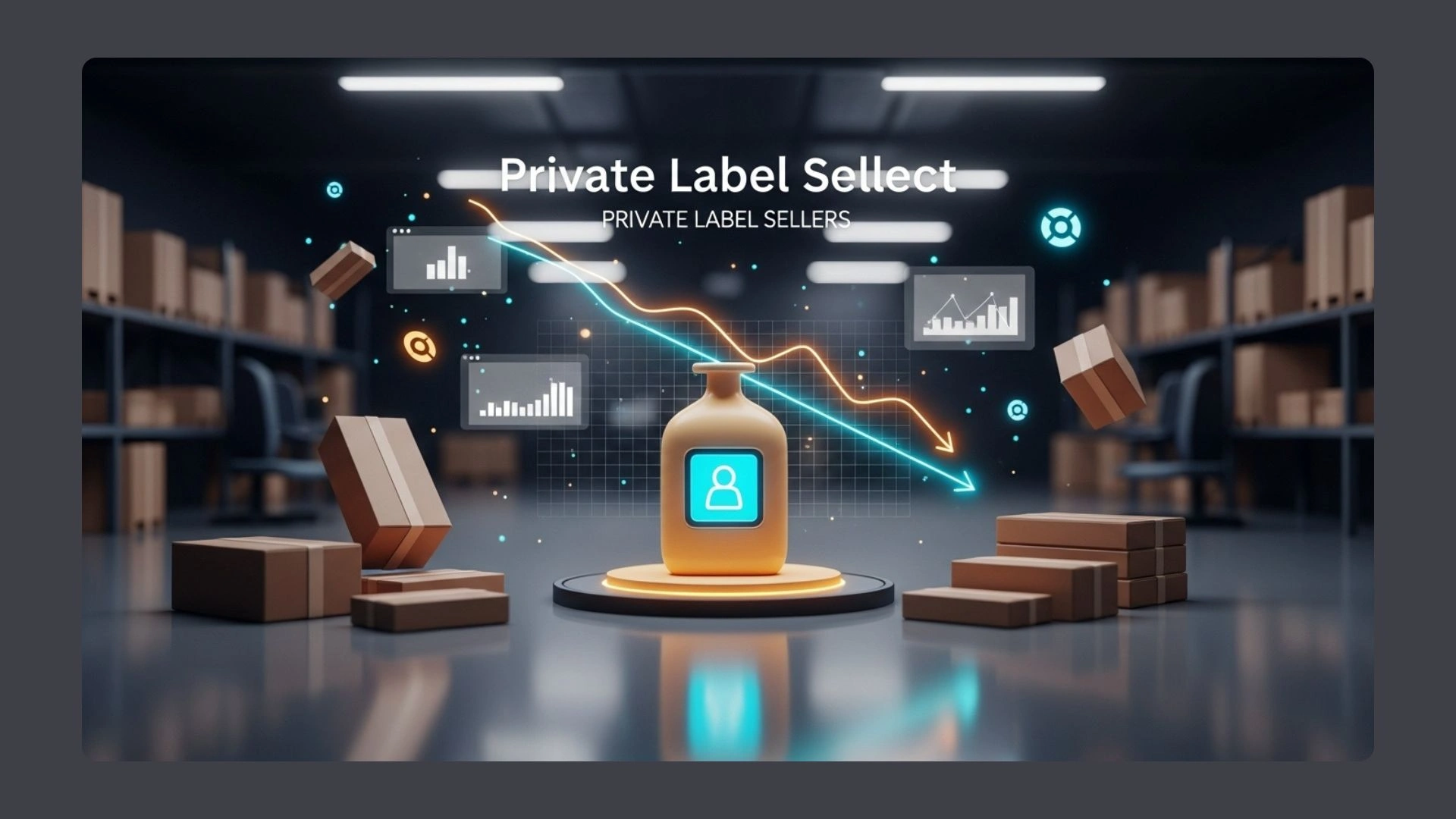
This plateau develops when strategies that worked in the beginning don’t work as well as they should. When competition gets tougher, manual repricing costs you money. Changes in the market are more likely to impact you if you only sell one product. Running a business without systems makes it difficult to grow, no matter how much demand there is.
Key Metrics That Signal Readiness to Scale
Before you begin expanding rapidly, please ensure that your foundation is equipped to support it. Strong profit margins—ideally 25% or more after all costs—give you the extra money you need to reinvest. A favorable repeat purchase rate shows that customers are devoted to the brand across more than one purchase. A customer lifetime value that is at least three times more than the cost of acquiring them suggests that the business is financially stable. Lastly, if your operational capacity isn’t full, you can do more work without breaking down.
Diversifying Your Product Portfolio for Amazon Brand Growth
Single-product brands face inherent fragility. Algorithm changes, increased competition, or shifting consumer preferences can devastate revenue overnight. Strategic product expansion creates stability while opening new revenue streams.
Identifying Complementary Product Opportunities
Your existing customers already trust you. They’ve fixed one issue with your product. What other problems do they have? Look over your product reviews for hints. You’ve uncovered a complimentary opportunity when buyers say they use your product with something else.
Look at all of your competitors’ catalogs, not just the ones that sell the most. Find patterns in the things that successful brands put together. Look at Amazon search data to find relevant terms that have a lot of searches but not too much competition. The goal isn’t random growth; it’s strategic adjacency that builds on the value of your brand.
Testing and Validation Before Full Investment
Launching a lot of items at the same time uses up resources and makes it hard to focus. Instead, check each chance in a systematic way. Order small batches of 200 to 300 units at first to see how the market reacts without putting a lot of money on the line. Use Amazon’s early reviewer program or start promos to get immediate feedback.

Pay attention to organic conversion rates, not just promotional sales. If a product converts well at full price, you’ve found a winner. If it only moves with deep discounts, reconsider whether it fits your portfolio. Many sellers partner with an Amazon full service agency from beBOLD Digital to refine their product validation and launch strategies, ensuring each expansion delivers profitable growth.
Optimizing Amazon FBA Operations for Higher Volume
Operational excellence becomes non-negotiable as volume increases. Small inefficiencies that cost you $100 monthly at lower volumes can drain thousands as you scale.
Inventory Management at Scale
Stockouts stop the flow of business and hurt your ranking. When you have too much goods, it costs you money and storage expenses. Advanced forecasting algorithms look at your sales speed, seasonal patterns, and lead times to find the best times to repurchase. To cut down on shipping times and expenses, think about spreading your product across several fulfillment locations.
To avoid having only one point of failure, work with more than one provider. As your volume goes up, you can get better terms. Most suppliers will give you better prices and payment terms after they see that you order from them regularly.
Automating Repetitive Processes
When you do things by hand, you’re stealing time from strategic growth. Automated repricing software changes your rates based on how much inventory you have and how much competition you have. Customer service automation can answer basic questions without any help from a person. While you sleep, PPC management tools make sure your bids and budgets are as good as they can be.

The idea isn’t to get rid of people; it’s to get you to focus on decisions that really make a difference. Let systems take care of the same tasks over and over again while you focus on strategy.
Building a Multi-Channel Private Label Strategy
Amazon provides tremendous opportunity, but dependency creates risk. E-commerce scaling requires diversification across platforms and channels.
Expanding to Other Marketplaces
Walmart’s marketplace grows quickly, and it usually has less competition than Amazon. Your Shopify store grows an audience and gets rid of marketplace expenses. International Amazon markets, especially in Canada, the UK, and Germany, are excellent places to grow since they have infrastructure that is already in place.
You must adapt to every channel. Walmart’s customers respond to different messages than Amazon’s. You need to spend money on getting visitors to your site. International marketplaces require localization. But diversification shields you against platform risk and opens up new ways to make money.
Leveraging Wholesale and B2B Opportunities
People who buy items for their stores and businesses typically look for things they’ve found on Amazon. Setting up wholesale conditions lets you sell more at lower prices, but it costs a lot less to get new customers. B2B customers usually order more, pay net terms, and bring in more stable income.
Platforms like Faire and Amazon Business give you the tools you need to target these buyers without having to set up new sales operations from scratch.
Advanced Marketing Strategies for E-commerce Scaling
Basic PPC campaigns brought you to $1M. Getting beyond requires comprehensive brand building that extends past Amazon’s ecosystem.
Creating a Cohesive Brand Identity
Amazon Brand Registry unlocks enhanced brand content, storefronts, and stronger IP protection. Enhanced content increases conversion rates by 5-10% on average. A well-designed storefront showcases your full product line while telling your brand story.
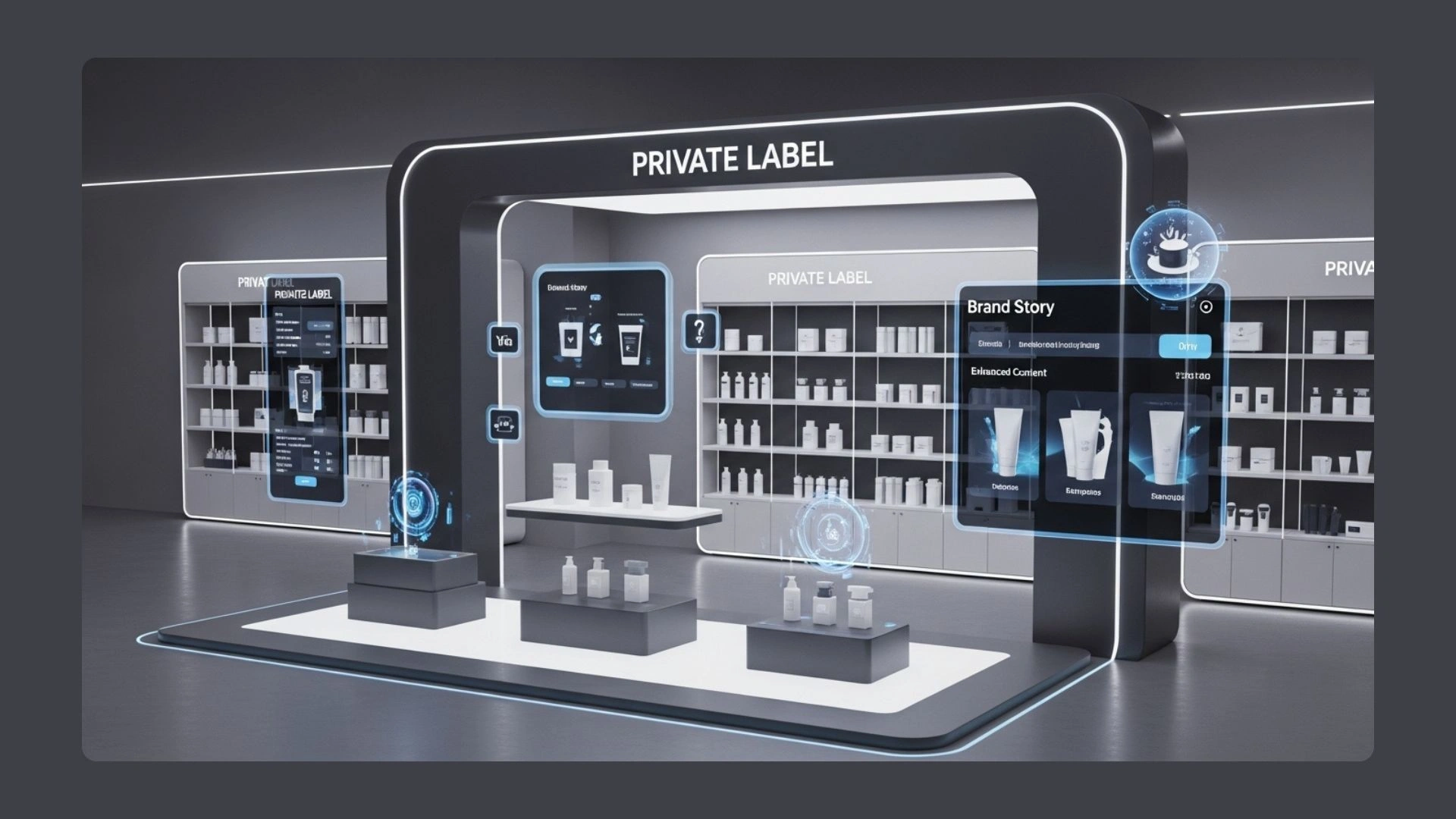
Invest in professional photography and compelling copy that communicates value beyond price. At scale, small conversion improvements generate substantial revenue increases.
External Traffic and Email Marketing
Amazon rewards listings that drive external traffic with better organic ranking. Build audiences on Instagram, TikTok, or YouTube that align with your products. Partner with micro-influencers in your niche—they often deliver better ROI than large influencers.
Capture emails through inserts (following Amazon’s policies), your own website, or lead magnets. An owned email list lets you launch new products to warm audiences, driving early sales velocity that boosts organic ranking.
Where Does Your Amazon Brand Growth Go From Here?
Getting past seven figures isn’t about working harder; it’s about working in a planned way. The sellers who break through focus on building infrastructure that supports exponential growth: diversified product lines that reduce single-product risk, automated operations that eliminate bottlenecks, multi-channel strategies that decrease platform dependency, and marketing systems that build brand equity beyond individual listings.
You won’t reach your next goal by getting better at what got you here. It needs to change into a whole new kind of business. Choose one part of this framework to begin with. Get better at predicting your inventories. Start selling one thing that goes well with the other. Make your most time-consuming process automatic. Every systematic improvement builds on the last one, giving you the momentum you need to reach your next income goal.
It’s not an issue of whether you can scale. It’s about whether you’re ready to construct the systems that will make scaling happen. The nandbox App Builder gives growing brands the tools they need to make sophisticated, unique mobile apps without having to write code. This is helpful when it comes to “How to Scale Your Private Label Brand Beyond the First $1M.” As private label businesses grow, nandbox makes it easy to manage client interactions, track orders, loyalty programs, and analytics all in one branded app. Its scalable infrastructure can handle more demand, and its flexibility lets firms quickly adjust to new markets and sales channels. By using nandbox, private label brands can build stronger ties with their customers, make their operations more efficient, and be sure of long-term success.