

The boom in AI Content Creation is impacting how content is made. From marketing materials to technical documents, AI writing assistants are a key part of how many businesses are using automation to produce content. But now, approaching the second half of 2026, a new problem emerges: how to retain humanity.
The AI Content Paradox
The modern content creator confronts an interesting paradox, while AI programs such as ChatGPT, Claude, and Gemini can write thousands of words in seconds, consumers still hunger for the emotional depth, personal voice, and relatability that only a human writer used to be able to provide.
This tension over the issue of “finding the right word” has created an entirely new ecosystem of content creation in which “the space, however undefined, between human and machine words has never been less clear”. Engines and sites have been equipped with advanced detection algorithms, representing another challenge for content creators working with AIl.
Why AI Detection Matters for Modern Businesses
For companies that are in the business of building apps, creating marketing collateral, or developing curriculum, this has never been a more critical time. For example:

Educational Institutions Universities or any education platforms should check samples for fraud and promote proper way of using AIs as non cheating apps.
Content Marketing Teams: Agencies need to make sure they are delivering client work that passes authenticity tests if they want to keep their rankings and their audience.
App Development Documentation: There is a need for well, designed, reliable documentation, which is both appealing to users and fast to produce, for nandbox and other SaaS companies.
The questions is not whether to use AI, that ship has sailed, but rather how effectively to use it in a way that preserves quality and integrity of the content.
The Three-Pillar Approach to Authentic AI Content
1. Strategic Detection and Quality Assurance
Every intelligent content creator will have a quality assurance process before anything AI generated is published. The first check involves understanding whether the AI text sounds human.
In this process, AI detection tools are indispensable. Content teams can use AI detection platforms to locate pieces of content that might alert AI detection systems and then revise accordingly. It‘s like a final check to make sure the work adheres to a human, like standard, not to remove AI as a practice, but to check if any work would be identified as AI written.
The best detection tools provide detailed analysis, highlighting specific sentences or paragraphs that exhibit common AI patterns such as:
- Overuse of transitional phrases
- Repetitive sentence structures
- Unnaturally perfect grammar
- Lack of personal anecdotes or specific examples
- Generic statements without substantive depth
2. Humanization Techniques That Actually Work
Following the completion of those AI, heavy sections, the task shifts toward thoughtful humanization, which is much more than throwing the text back through an additional AI tool, for human editing and improvement.
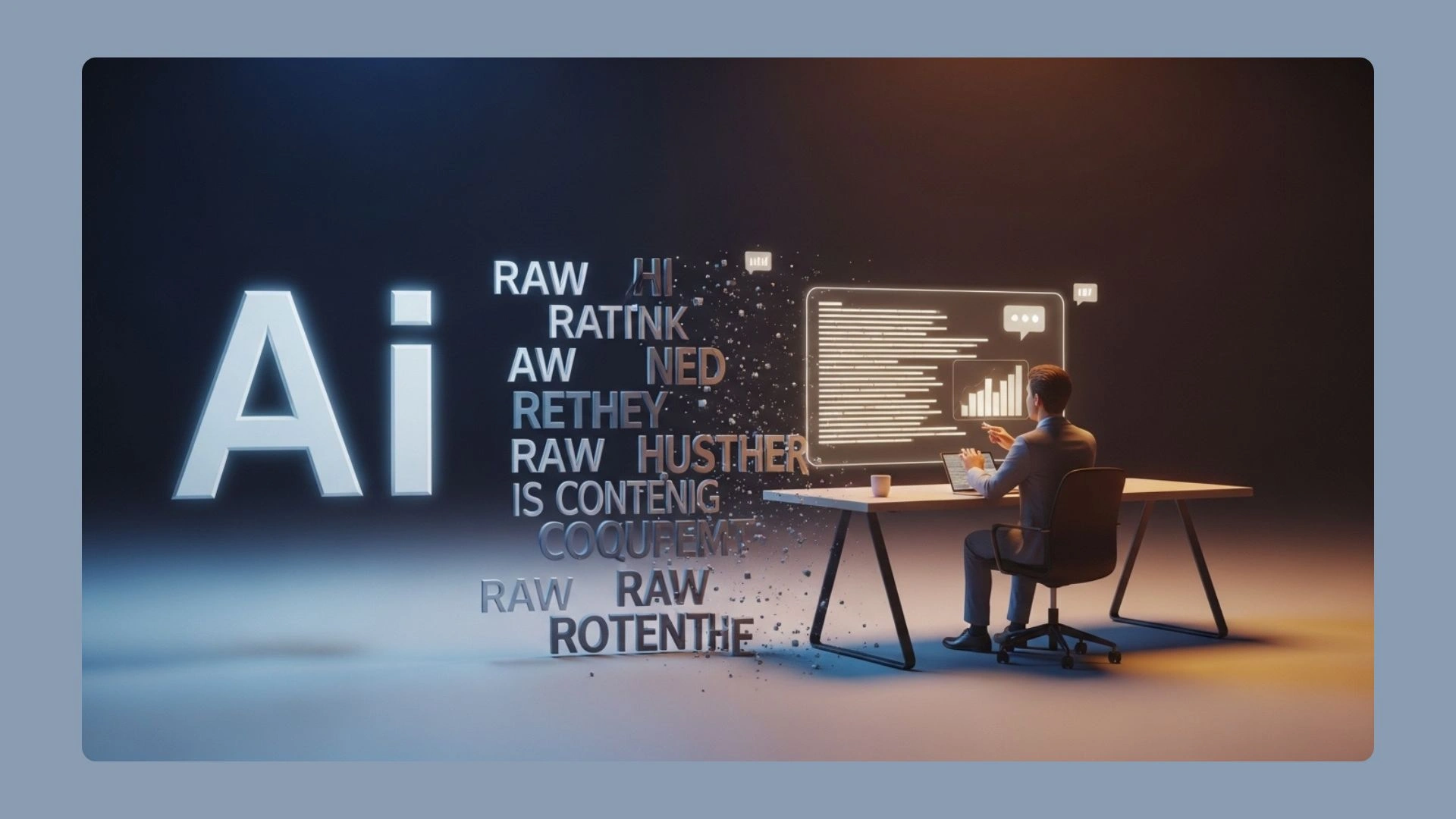
A solution has been developed such as TextToHuman.com for this purpose, where your writing is intelligently rephrased, with your content intact, in a more human sounding, natural cadence and style. But the best mix is a combination of technology and editing human wisdom.
Key humanization strategies include:
Inject Personal Voice: Include any experiences, industry, specific stories, or insights that only you could tell, such as personal submission challenges when developing an app. If you go to write about the difficulties in developing an app, include an example of that one thing you overcame, instead of stating that it is difficult.
Vary Sentence Rhythm: AI has a tendency to adopt uniformity in the length of sentences as well as construction. It is advisable to disrupt this trend: use a series of short, punchy sentences then include longer, compound, complex or compound, complex sentence structures.
Embrace Imperfection: Ideally, used sparingly human idiosyncrasies, contractions, the odd sentence fragment, the odd bit of colloquial asides, will flag the text as genuine. And overly, grammaticalized language might arouse suspicion.
Layer in Specificity: Instead of general examples, use real data, named references, and actual cases. For AI: the more general the statement, the more likely that it is allowed. For humans: it is vice versa.
3. Comprehensive Content Transformation
To handle a high output of AI, assisted writing, blog content, app descriptions, marketing materials, for content publishers, a formalized conversion process would be necessary.

Tools similar to AI Text To Human provide workflows that simplified the process of turning an AI draft into a publishable piece that feels authentic but retains the efficiencies. It‘s not a matter of deception, but optimization, making sure your work is heard without platform penalty.
The transformation process should include:
- Context Calibration: Ensure the content reflects current trends, recent events, and up-to-date information rather than the generic timelessness that characterizes much AI output.
- Emotional Resonance: Add emotional hooks, relatable frustrations, or aspirational elements that connect with readers on a human level.
- Industry Expertise: Infuse specialized knowledge, terminology, and insights that demonstrate genuine domain authority rather than surface-level understanding.
Best Practices for AI-Assisted Content Creation in 2026
As the AI content landscape matures, several best practices have emerged for businesses looking to leverage these tools responsibly and effectively:
Start with Human Strategy
Begin every content piece with a human-driven strategy. Define your unique angle, target audience insights, and key differentiators before generating any AI draft. The AI should execute your vision, not define it.
Use AI for First Drafts, Not Final Copies
Treat AI output as a sophisticated first draft—a starting point that requires human refinement, fact-checking, and personality injection. This approach maintains efficiency while ensuring quality.
Implement Multi-Stage Review
Create a content pipeline that includes: AI generation → detection analysis → humanization → expert review → final polish. Each stage adds value and reduces risk.
Stay Updated on Detection Technologies
AI detection algorithms evolve constantly. What passes today may flag tomorrow. Regular testing and staying informed about detection methodology updates are essential.
Prioritize Transparency
For certain contexts—particularly educational content or thought leadership—consider being transparent about AI assistance in your content creation process. This builds trust while normalizing responsible AI usage.
The Future of Human-AI Content Collaboration
In the future, the content creators most effective will not be those who shy away from AI, and not those who lean on it heavily, but those who can utilize the partnership, and leverage AI to compliment human ability, not substitute it.

For this collaboration to flourish, new competencies are expected. They include: prompt design and engineering, quality control of AI, generated text, intelligent editing and manipulation of the produced content and profound understanding of “human value” in text content. Proper tools are also expected for detection, humanization and conversion.
For companies designing apps, managing campaigns or developing training material, this mixed method gives the best of both worlds, the scalability of AI and at the same time the real, human element of genuineness, originality and strategy.
Conclusion
The age of AI content will not be about humans versus machines; it will be about the sophisticated workflows created between the two. By building intelligent detection into their workflows and using meaningful humanization and transformational steps. Creators will have the capacity to create content that can slip through an authenticity check and retain the rapid production pace a business needs.
With nandbox and others continuing to push the app development space, and AI language technologies becoming so much better. The companies to succeed will be those that can achieve that delicate balance. The future of content is neither fake nor human, it‘s a smart hybrid, making the most of both.